Common Age-Related Vision Problems
As we age, our eyes naturally undergo changes that can lead to various vision problems. A common issue is presbyopia, where the lens loses flexibility, making it difficult to focus on nearby objects, typically starting around age 40. Seniors may also experience reduced color perception as the lens becomes yellowed and cloudy, complicating tasks that require distinguishing colors. Additionally, aging increases the risk of developing eye conditions such as cataracts, which cause blurred vision and glare sensitivity; glaucoma, characterized by increased eye pressure and gradual vision loss; and age-related macular degeneration (AMD), which affects central vision and impairs the ability to see fine details. These age-related changes highlight the importance of regular eye exams and proactive management to maintain visual health.
Importance Of Regular Eye Exams For Seniors
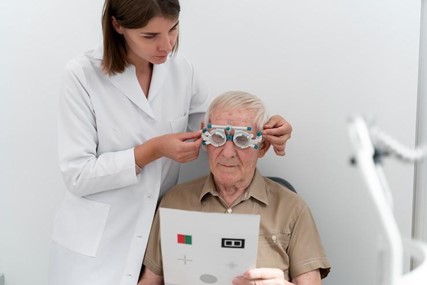
Given the prevalence of age-related vision problems, seniors need to schedule regular comprehensive eye exams with their ophthalmologist. These examinations help detect vision changes and eye conditions early, allowing timely intervention. During the exam, the ophthalmologist evaluates visual acuity, color perception, and peripheral vision while examining the eye’s internal and external structures. Early detection of issues such as glaucoma or age-related macular degeneration is crucial, as many conditions can be asymptomatic initially. By keeping up with annual or biannual eye exams, seniors can address potential problems promptly, preserving their vision and quality of life. Ophthalmologists in Clifton Park, NY, are dedicated to providing thorough eye care to support optimal vision health for seniors.
How Aging Affects Different Parts Of The Eye
Aging profoundly affects various eye components, leading to several vision-related challenges for seniors. One significant change is the gradual stiffening and yellowing of the lens, which causes presbyopia—difficulty focusing on close-up objects and performing tasks like reading or threading a needle. The cornea, too, becomes less smooth and more uneven with age, leading to corneal astigmatism, which can cause distorted or blurry vision, especially at a distance. Additionally, the retina’s cells may deteriorate over time, resulting in age-related macular degeneration (AMD), which leads to a gradual loss of central vision. This decline in vision can make reading, driving, or recognizing faces challenging, highlighting the importance of regular eye exams and proactive management of age-related eye changes.
Tips For Maintaining Healthy Vision In Older Age
Seniors can adopt several proactive measures to maintain eye health and preserve visual acuity as they age. Regular eye exams with an ophthalmologist are essential for early detection and management of age-related vision changes. Additionally, a healthy diet rich in nutrients like lutein, zeaxanthin, and vitamins C and E supports eye health, while staying physically active and avoiding smoking can further reduce the risk of vision complications. Seniors should also address any vision changes promptly by consulting their ophthalmologist, as early intervention can help manage and potentially slow the progression of vision issues. By integrating these practices into their routine, seniors can better manage the impact of aging on their vision and enhance their overall quality of life.
Vision Aids And Assistive Technologies For Seniors
As seniors experience age-related vision changes, various aids and technologies can help maintain their independence and quality of life. Magnifying glasses and models with built-in lighting are especially useful for reading and detailed tasks, particularly for conditions like macular degeneration or cataracts. Assistive tools include large-print books, e-readers with adjustable fonts, and text-to-speech software. Glare-reducing sunglasses and anti-reflective coatings enhance comfort in bright conditions. Advanced options, such as CCTV systems, voice-controlled home automation, and audio description software, support those with significant vision impairments. These aids, part of a care plan from services at Alpenglow Homecare, help seniors stay engaged, maintain hobbies, and connect with loved ones.
The Role Of Nutrition And Lifestyle In Maintaining Good Vision
Maintaining good vision as we age involves regular eye exams, a nutritious diet, and healthy lifestyle choices. Consuming antioxidants and nutrients like lutein, zeaxanthin, vitamin C, and omega-3 fatty acids—found in leafy greens, citrus fruits, fatty fish, and nuts—can support eye health. Regular exercise and quitting smoking also help reduce the risk of age-related eye conditions. However, these practices should complement, not replace, routine eye exams and medical care to manage underlying conditions effectively.
Conclusion: Empowering Seniors To Take Control Of Their Eye Health
Vision changes can significantly impact daily life as we age, but understanding these changes and taking proactive steps can help seniors maintain eye health and visual acuity. Regular ophthalmologist visits, healthy lifestyle habits, and using vision aids and technologies empower seniors to manage their eye health effectively. Dispelling myths about aging and vision helps seniors seek necessary support and resources. Maintaining good vision is crucial for preserving independence, self-sufficiency, and quality of life. By prioritizing eye health and staying informed, seniors can enjoy life fully despite the challenges of aging.
