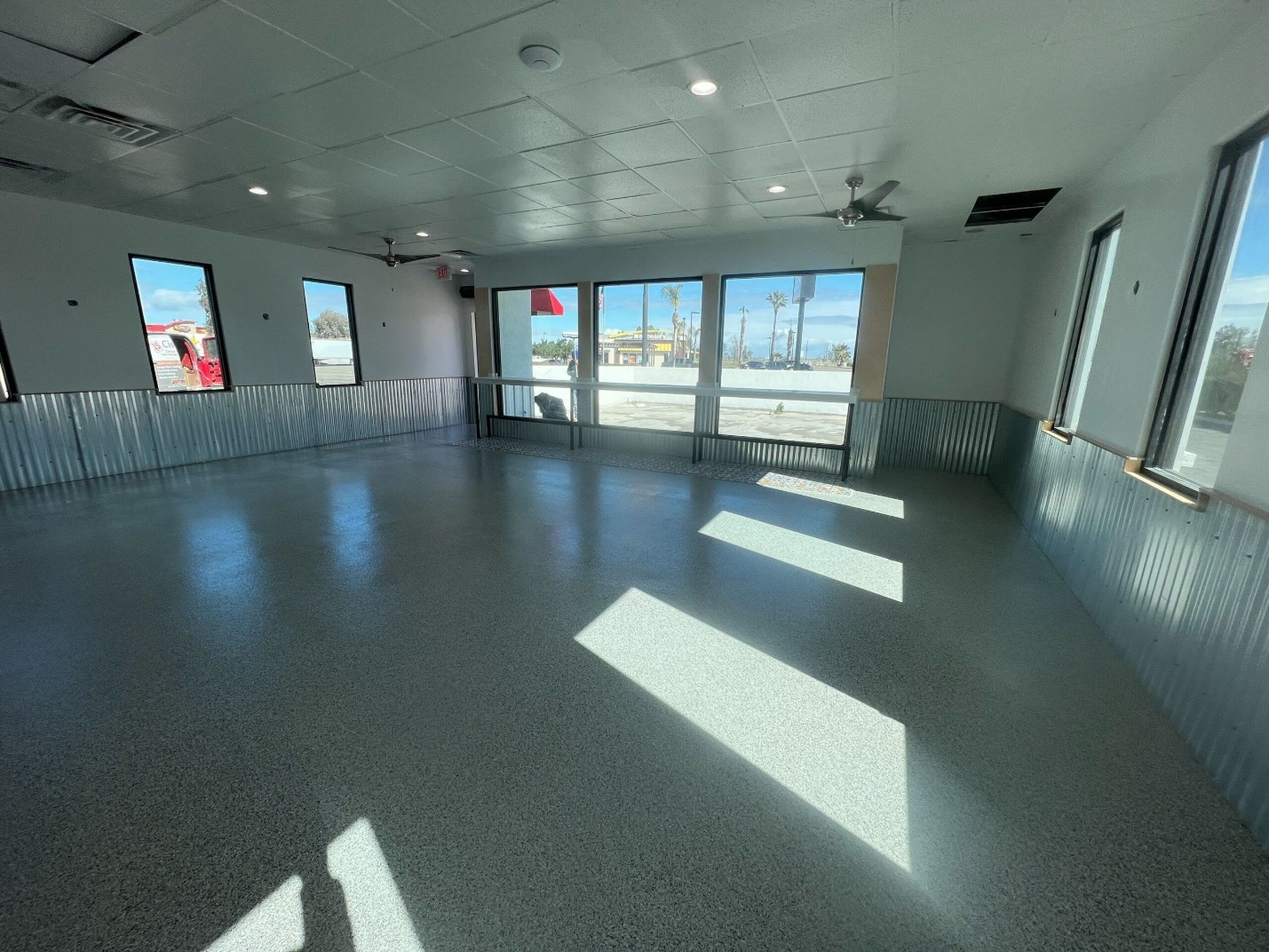
Flooring has a major effect on how a space handles daily activity, cleaning, moisture, and heavy use. A garage and a restaurant kitchen have very different requirements, yet both benefit from a surface chosen with practical performance in mind. Understanding traffic levels, cleaning routines, moisture exposure, and maintenance needs can help property owners make better flooring decisions. Rather than focusing only on appearance, it is useful to consider how the floor will perform during ordinary use and under the conditions found in each space.
Start With the Space
The first step when comparing garage flooring options is to consider how the garage is actually used. Some garages mainly hold vehicles, while others also function as workshops, storage areas, home gyms, or hobby spaces. Each use can create different demands on the floor.
Vehicle traffic can introduce dirt, moisture, and automotive fluids, while tools and equipment may create occasional impact. A suitable surface should be practical for the expected activities and easy enough to maintain.
The existing concrete also deserves attention. Cracks, surface wear, moisture concerns, and previous coatings may need to be addressed before a new system is installed.
Consider Restaurant Conditions
A restaurant kitchen operates under a very different set of conditions. Floors may be exposed to food ingredients, grease, water, cleaning chemicals, dropped utensils, and continuous foot traffic throughout the day.
For this reason, restaurant kitchen flooring should be selected according to the demands of the working environment rather than appearance alone. Cleaning requirements are especially important because kitchen staff need to maintain sanitary working areas throughout busy shifts.
The floor should also fit the layout and workflow of the kitchen. Areas around cooking equipment, preparation stations, washing zones, and storage spaces may experience different levels of moisture and traffic.
Think About Surface Preparation
Regardless of the space, surface preparation plays an important role in the quality of a flooring installation. Existing concrete may contain dirt, oils, old coatings, cracks, or other conditions that need attention before a new system can be applied.
In a garage, automotive fluids can create preparation challenges if they have been absorbed into the concrete. In a restaurant kitchen, grease and cleaning residues may require careful removal before installation.
A contractor should inspect the existing surface and explain what preparation will be necessary. This makes it easier to understand the project rather than viewing the coating material as the only important component.
Compare Different Flooring Systems
There is no single flooring system that works equally well for every environment. Epoxy, polyaspartic, urethane cement, and other coating systems can have different characteristics depending on the application.
For garages, property owners may prioritize durability, appearance, ease of cleaning, and resistance to common automotive contaminants. Restaurant kitchens may require greater attention to moisture, heat, cleaning procedures, traction, and frequent traffic.
The right material should therefore be selected based on the environment. Asking a contractor about the strengths and limitations of each option can provide more useful information than simply comparing colors or finishes.
Pay Attention to Maintenance
Maintenance requirements should be discussed before installation. A floor that is simple to clean can save time, particularly in areas that need frequent attention.
Garage owners may appreciate surfaces that make dirt and spills easier to remove. Restaurant operators have even greater cleaning demands because food preparation areas must be maintained regularly throughout operating hours.
Ask which cleaning products are recommended and whether any chemicals or equipment should be avoided. Knowing these details in advance helps protect the finished surface and supports a consistent maintenance routine.
Think About Safety
Safety is another consideration for both environments. Garages can become wet from rainwater, snow, vehicle washing, or other sources. Restaurant kitchens can experience spills throughout the day.
A suitable flooring system should therefore provide appropriate traction for the environment. The ideal surface is not necessarily the smoothest one. Texture and finish should be considered according to how much moisture and traffic the floor will encounter.
Lighting, drainage, and cleaning practices can also influence how safely people move through the space.
Match the Floor to the Budget
Cost is naturally part of any flooring decision, but comparing only the initial installation price can make the choice harder. Consider preparation, maintenance, expected service life, and the amount of disruption installation may create.
For a garage, homeowners can think about how they plan to use the space over several years. Restaurant owners should also consider how flooring work could affect business operations and scheduling. A professional assessment can help identify a system that fits both the physical demands of the space and the property’s practical requirements.
Conclusion
Garage and restaurant floors may serve completely different purposes, but both require thoughtful planning. Start with the existing surface, understand the environment, compare suitable materials, and consider maintenance and safety before making a final choice. The right flooring system should support everyday use without creating unnecessary maintenance challenges. If you are comparing coating options for residential or commercial applications, huskycoatings.com can be explored for additional information about available flooring solutions.
