A dedicated music room can give homeowners a place to practice instruments, record ideas, or enjoy listening sessions without constantly rearranging their living space. However, converting a spare bedroom, basement, or unused area into a music room involves more than bringing in instruments and speakers. Room proportions, sound control, electrical access, furniture, and flooring all influence how the space functions.
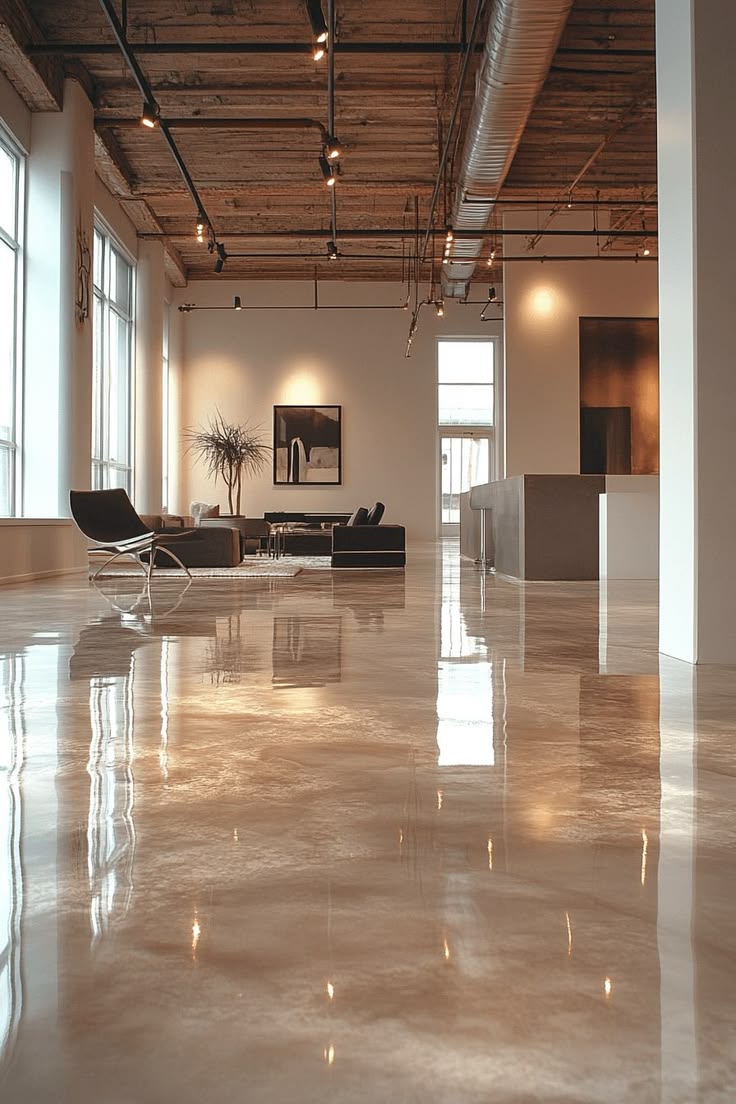
Homeowners exploring residential epoxy flooring corona ca may consider a finished concrete surface as part of a music room renovation. The flooring decision should fit the room’s practical requirements, particularly because sound behaves differently around hard and soft materials.
The Purpose of the Room Shapes Its Layout
Not every music room serves the same purpose. A pianist may need space for one large instrument, while a guitarist could require several instrument stands, amplifiers, and a comfortable practice chair. Someone recording music at home may need a desk, computer, microphones, and additional equipment. These differences should guide the layout before permanent improvements begin. Larger instruments need appropriate clearance, while frequently used accessories should remain within convenient reach.
A listening room may place greater emphasis on seating and speaker positioning. A recording space, by comparison, may require more flexibility for microphone stands and temporary equipment arrangements. Defining the primary activity helps prevent the room from becoming overcrowded with furniture that contributes little to its intended use.
Sound Control Requires More Than Flooring
Music rooms introduce acoustic considerations that ordinary bedrooms may not require. Sound can reflect from walls, ceilings, windows, and floors, influencing what people hear inside the space. Hard surfaces generally reflect more sound than soft, absorptive materials. Rugs, upholstered furniture, curtains, and appropriately designed acoustic treatments may help manage reflections within the room.
However, controlling reflections is different from preventing sound from reaching neighboring rooms. Effective sound isolation may require attention to walls, doors, ceilings, structural connections, and other building details.
Homeowners should avoid assuming that a particular decorative floor will make a room soundproof. Professional acoustic advice may be appropriate when noise transmission is a significant concern.
Equipment Placement Influences Daily Comfort
Musical equipment can occupy more room than expected. Keyboards, drum kits, amplifiers, recording desks, speakers, and instrument cases all require suitable positions. Electrical access should be planned around these arrangements. Multiple devices connected through unsuitable temporary wiring can create unnecessary complications, particularly in rooms containing several powered instruments.
Lighting also matters. Musicians may need clear illumination for sheet music, controls, or detailed equipment adjustments without excessive glare on computer screens. A practical layout leaves enough room for movement between instruments and avoids placing frequently used accessories where they obstruct doorways or walking routes.
Decorative Flooring Can Establish a Creative Identity
A music room offers an opportunity to explore a visual style that differs from the rest of the home. Some owners prefer a restrained recording-studio atmosphere, while others want a colorful environment inspired by their favorite music. For a more expressive approach, metallic epoxy flooring corona ca may be considered as a decorative option. Its suitability depends on the existing concrete, intended use, and specific flooring system.
A visually distinctive floor can work alongside simpler walls and furnishings, allowing the room to feel creative without becoming overwhelming.
The design should still account for rugs, equipment, and furniture that may cover substantial portions of the finished surface.
Storage Protects the Creative Workspace
Music rooms can quickly accumulate cables, instrument cases, stands, sheet music, microphones, and small accessories. Without dedicated storage, these items may spread across desks and floors. Wall shelves, cabinets, labeled containers, and suitable instrument storage can help keep equipment organized. Frequently used items should remain accessible, while spare accessories can occupy less prominent locations.
Storage should also reflect the needs of individual instruments. Temperature, humidity, and manufacturer guidance may influence where sensitive equipment should be kept. A clear arrangement makes it easier to begin a practice session without first moving unrelated belongings or searching for essential accessories.
A Music Room Should Adapt Over Time
Creative interests often change. Someone who begins with one instrument may later add recording equipment, collaborate with other musicians, or develop an interest in music production. Movable furniture and flexible equipment arrangements can accommodate these changes without requiring a complete renovation.
Leaving some open space also makes the room more comfortable when another musician visits or temporary recording equipment is introduced. Rather than designing every corner around current possessions, homeowners can create a foundation that supports different creative activities as their interests develop.
Conclusion
A home music room works best when its design reflects the activities taking place inside it. Instrument placement, sound control, electrical access, lighting, storage, and furniture all influence how comfortable and practical the space becomes. Flooring can contribute to the room’s appearance, but acoustic requirements and the condition of the existing substrate should remain important considerations. By balancing creative expression with functional planning, homeowners can develop a dedicated music space that supports regular practice, recording, and listening while remaining flexible enough for future interests.
